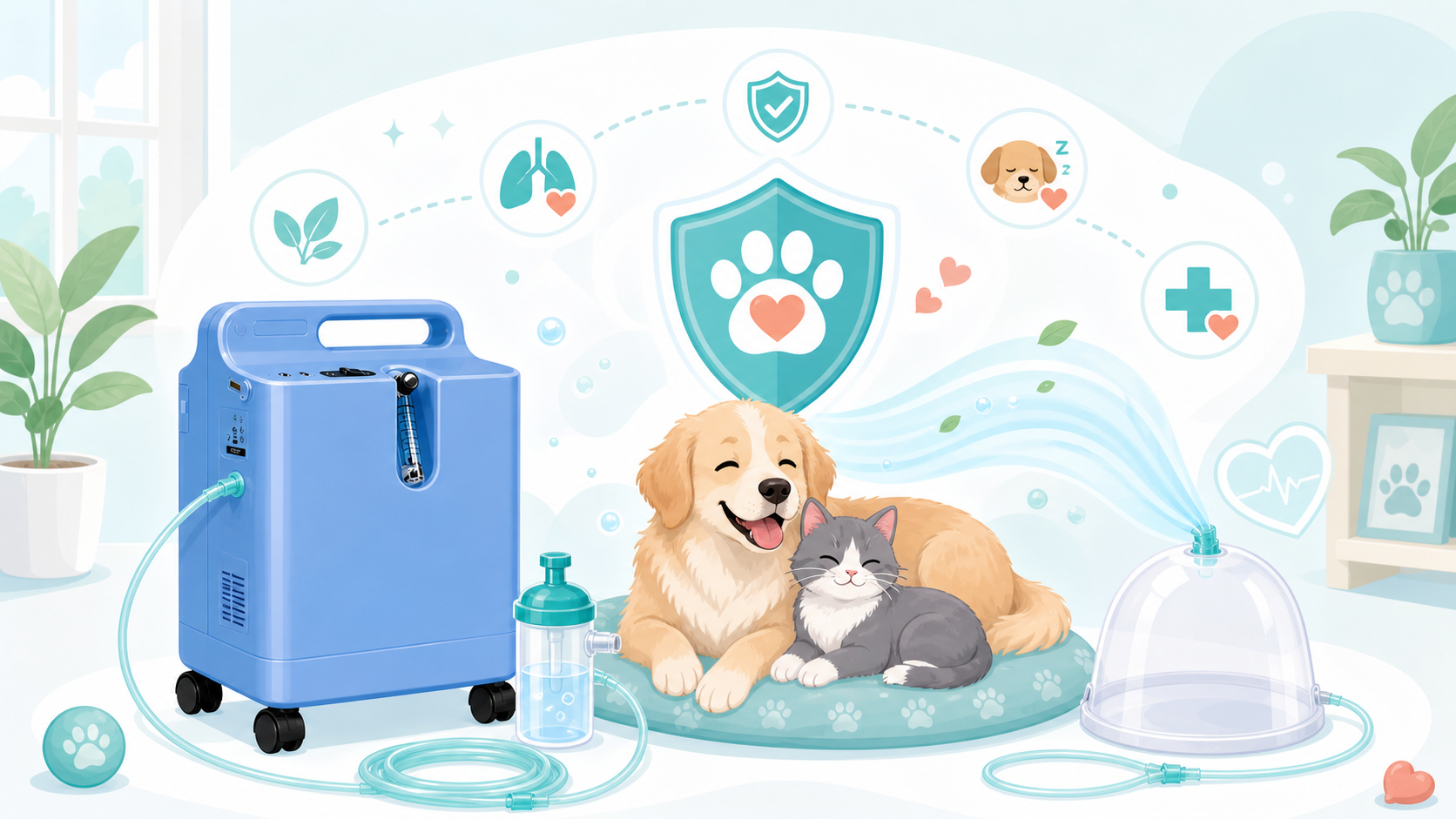
Quick Takeaways
- Confirm your pet is fit to move
- Prepare both home and transfer oxygen plans
- Keep vet flow-rate and monitoring advice
Ask the vet whether your pet can move
If your pet is open-mouth breathing, blue around the gums, or unable to settle, ask your vet before transferring. Oxygen equipment supports care but does not replace emergency treatment.
- Ask the suggested flow rate or oxygen target
- Ask whether oxygen is needed throughout the trip
- Ask what warning signs require immediate return
Prepare a complete home setup first
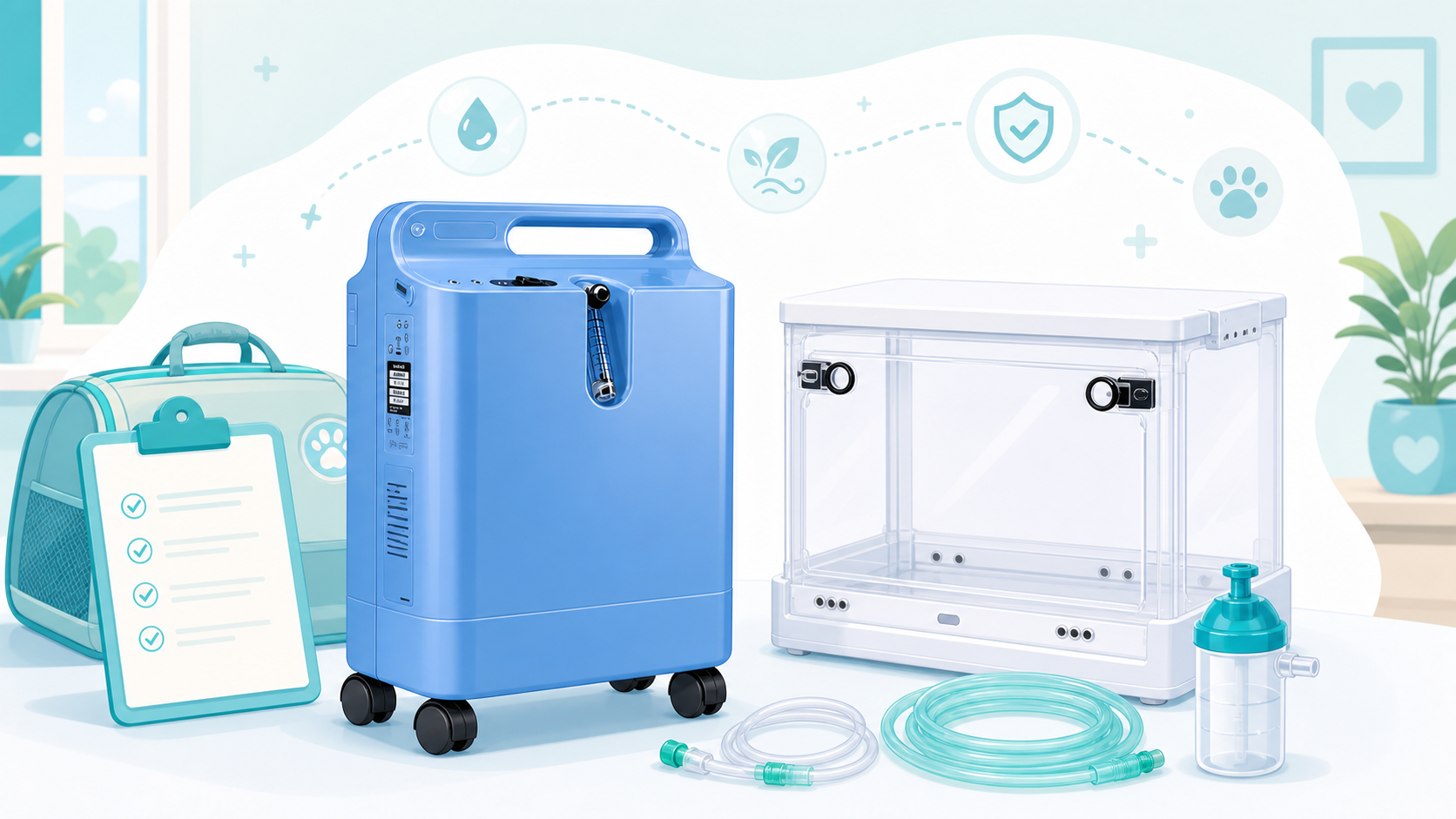
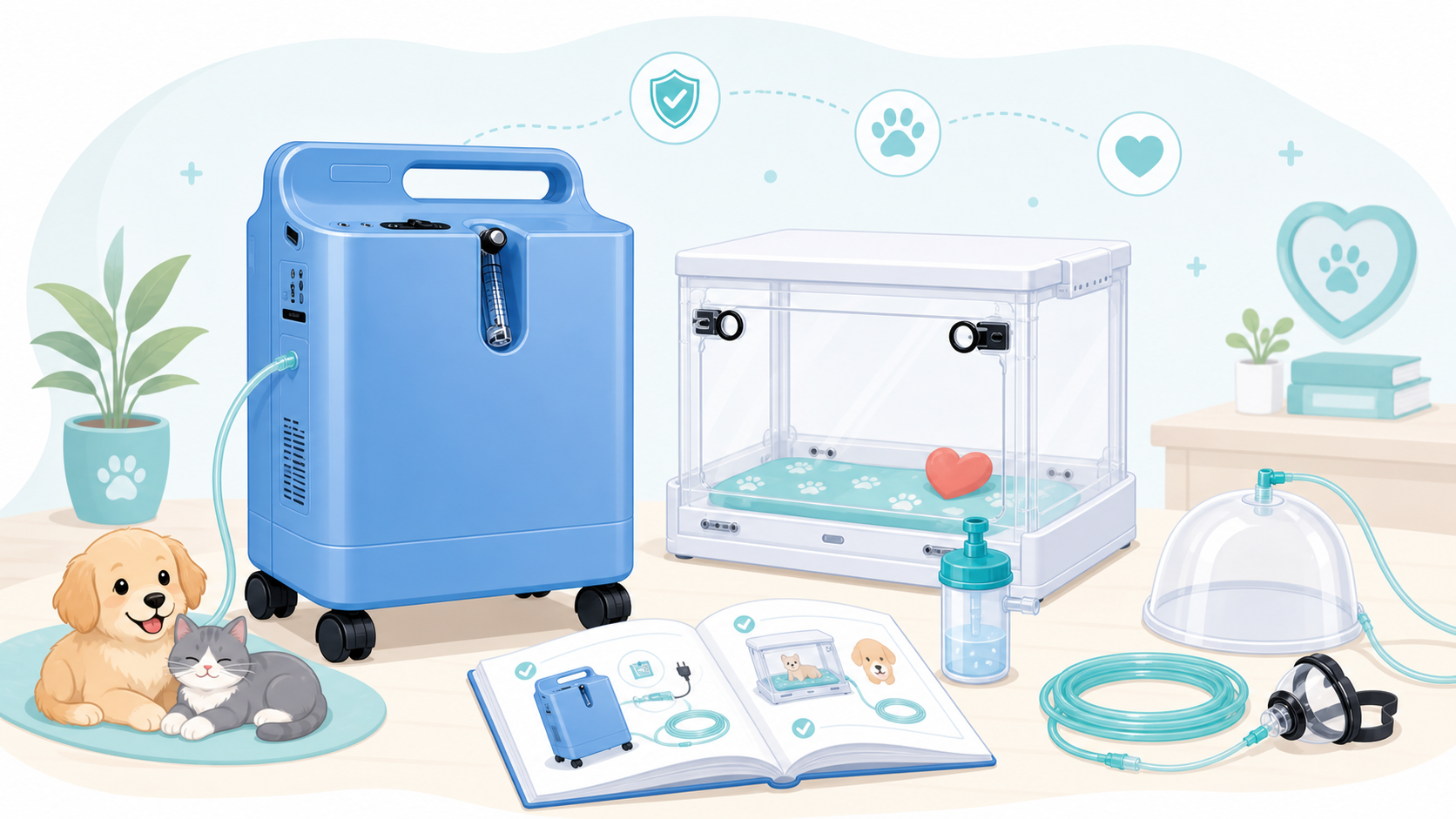
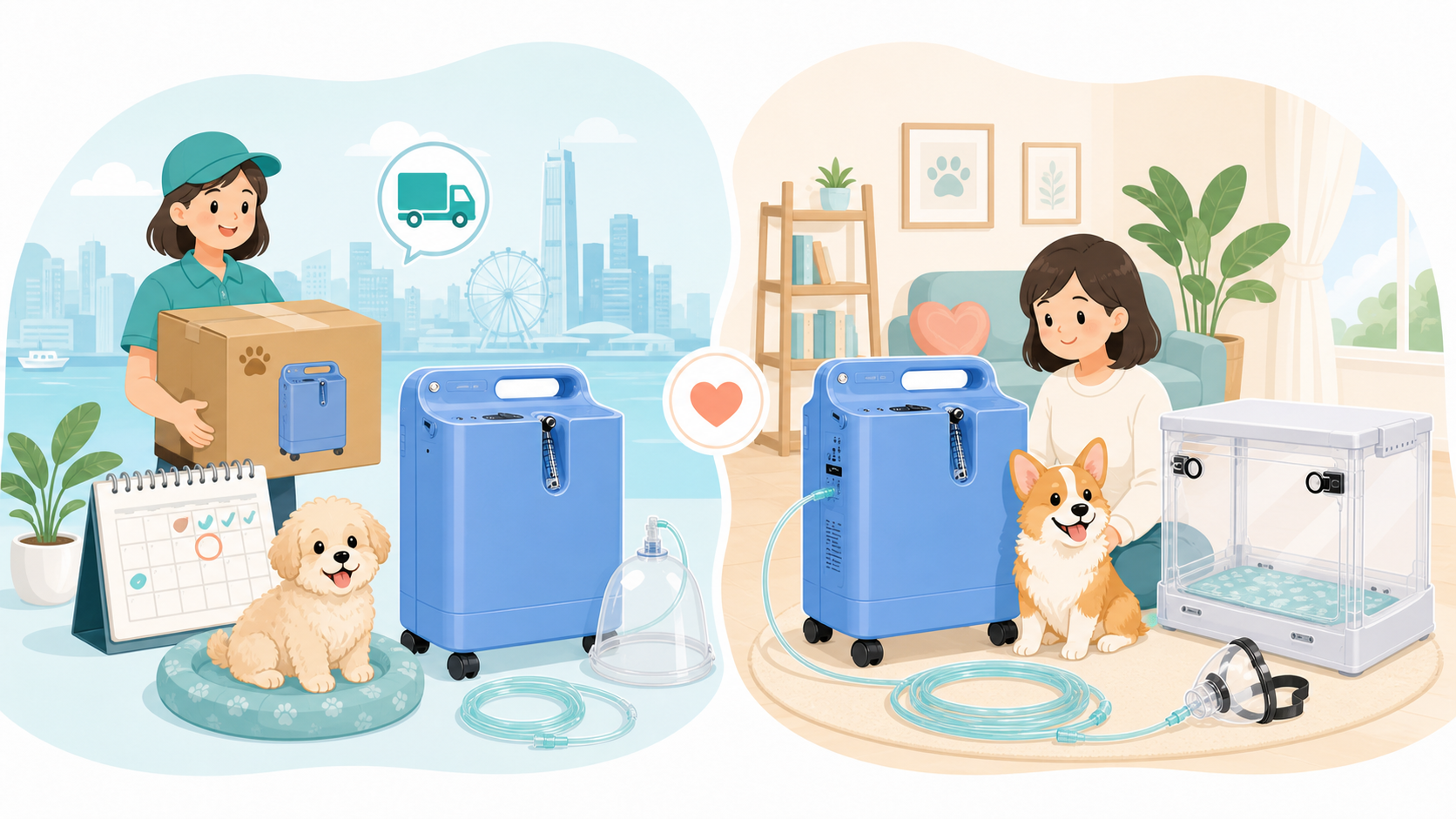
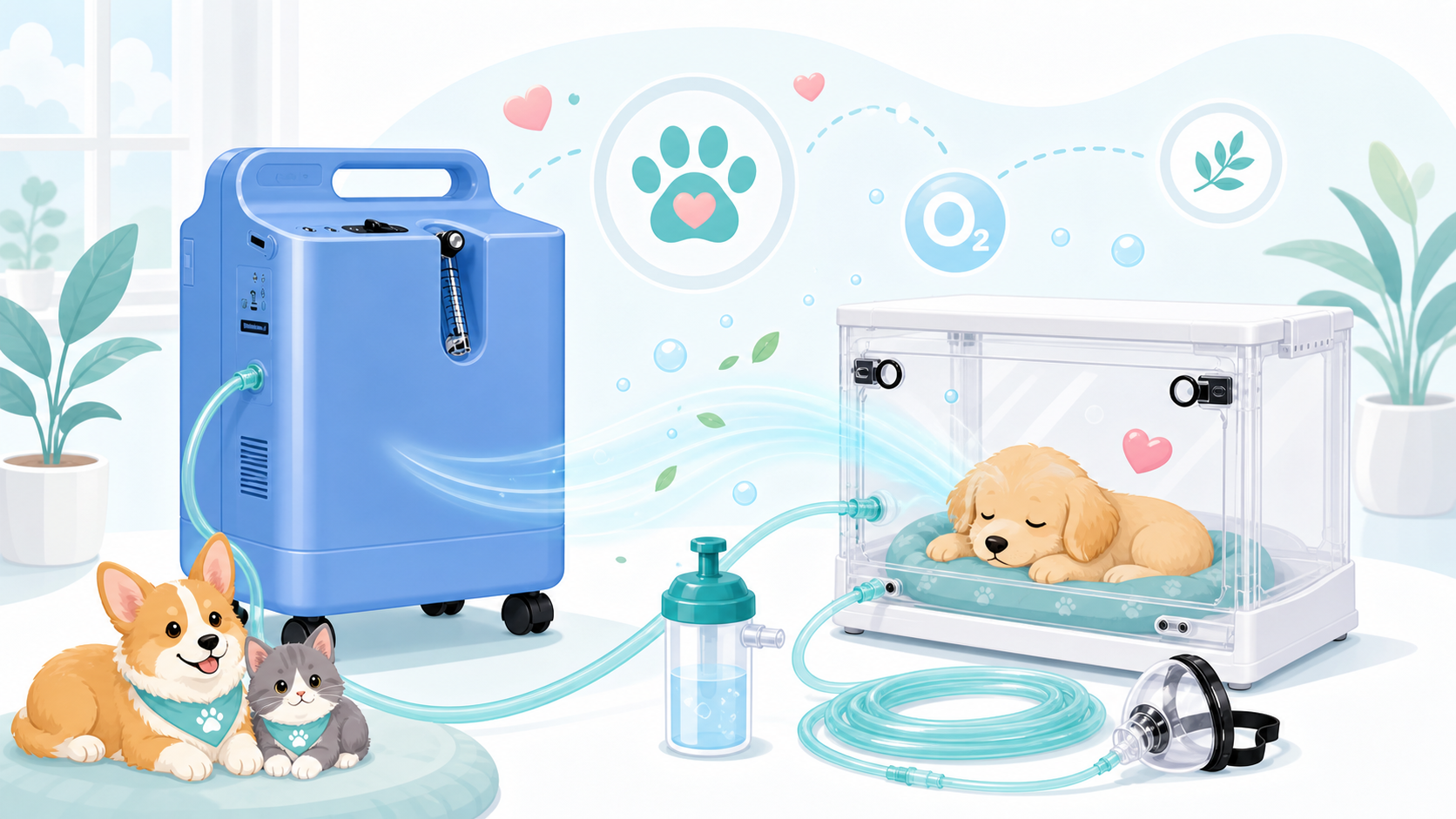
Before discharge, arrange the concentrator, chamber or mask, tubing and humidifier if needed. In Hong Kong, building access, parking and lift timing can affect delivery, so urgent cases should be arranged early.
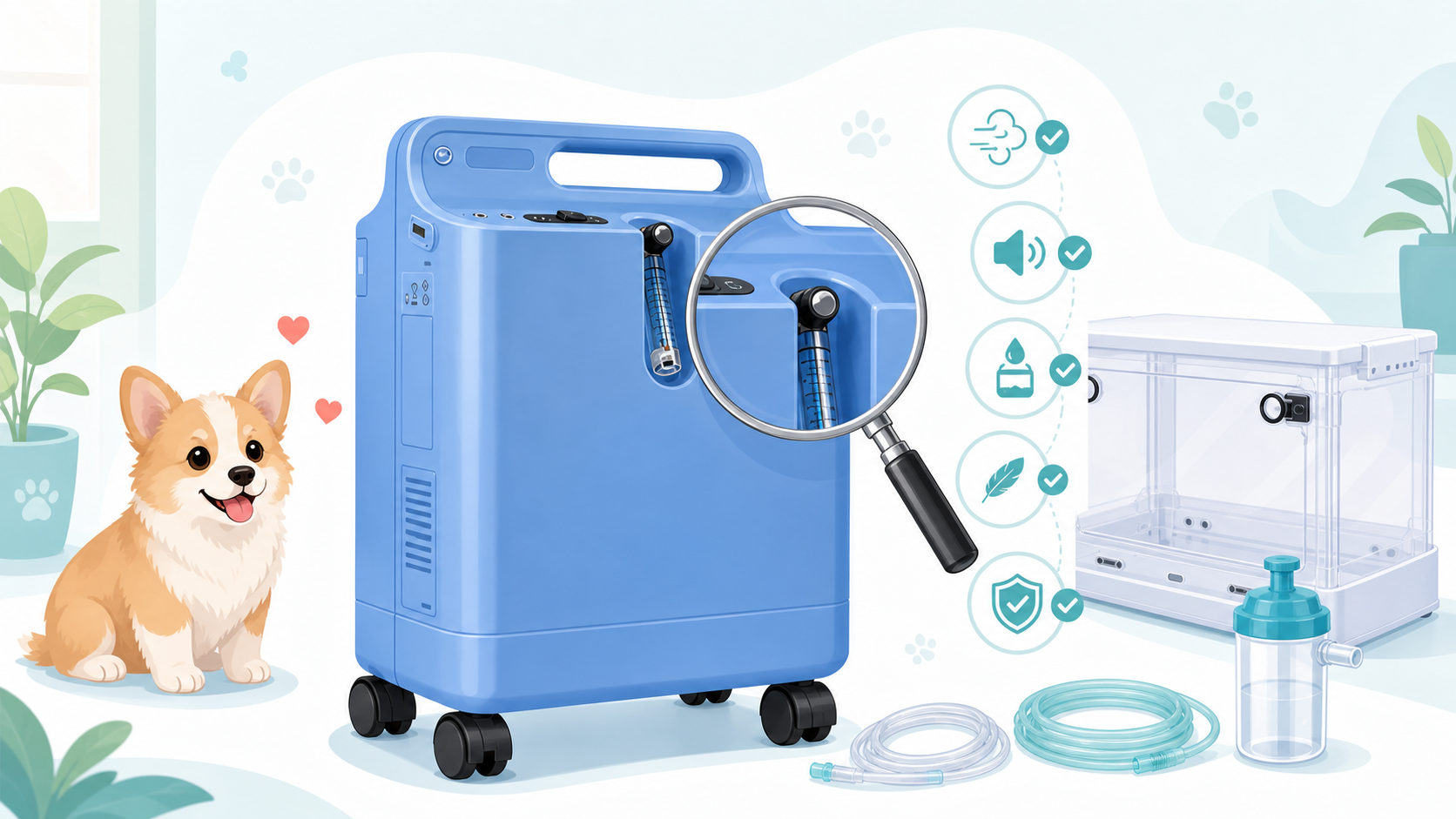
- EverFlo Q: stable home use
- Respicare: short trips, outdoor use or transfers
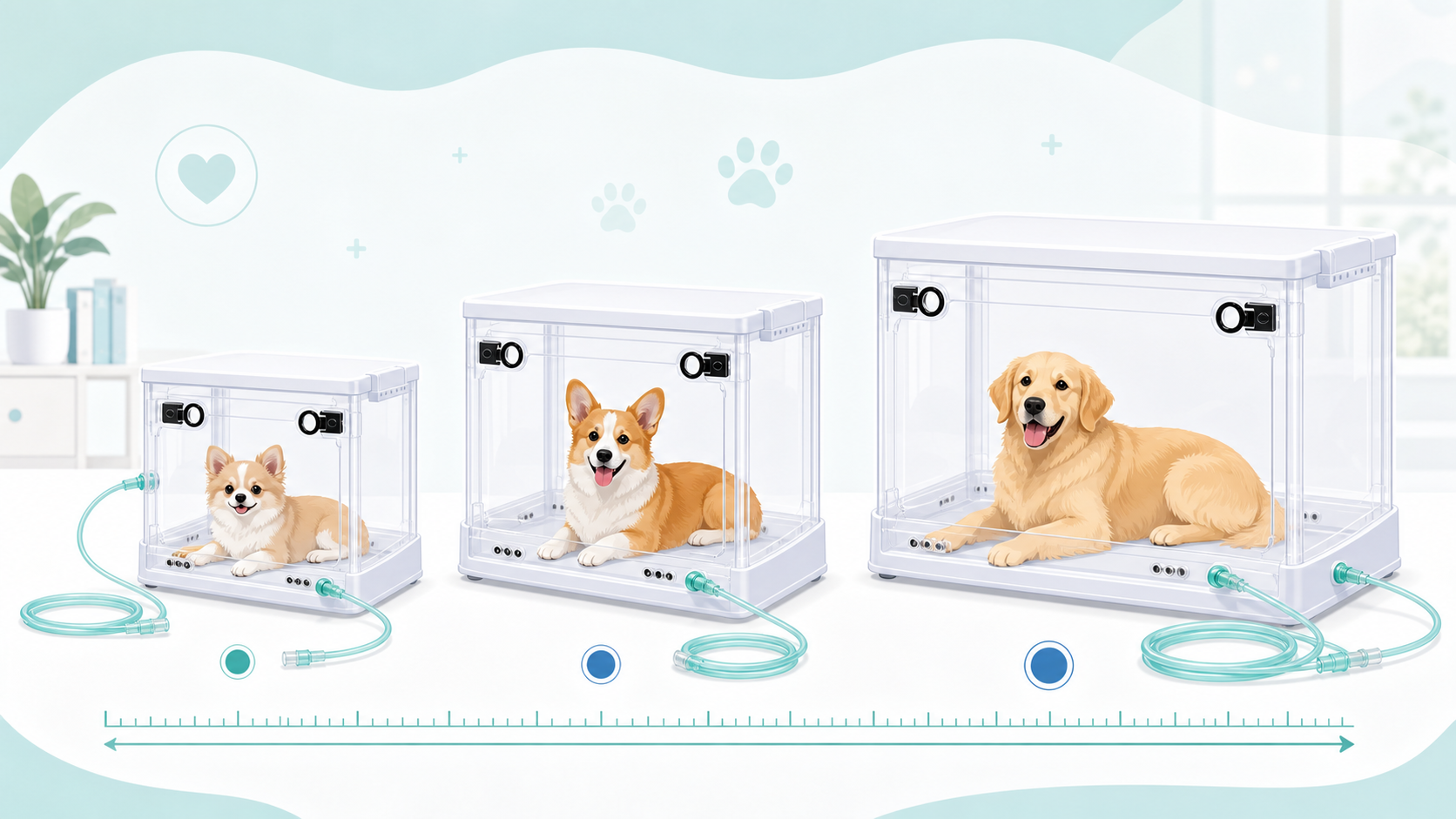
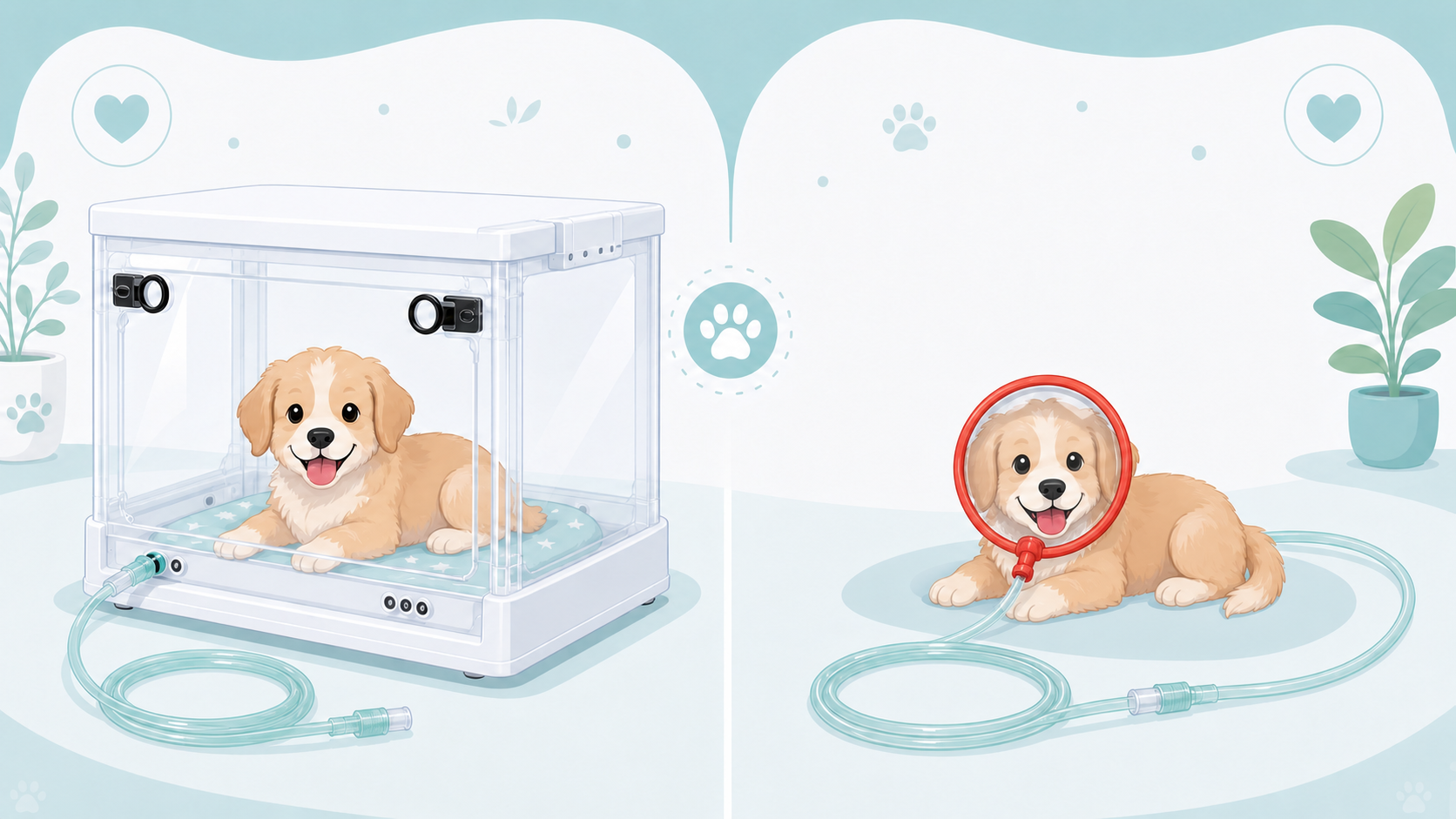
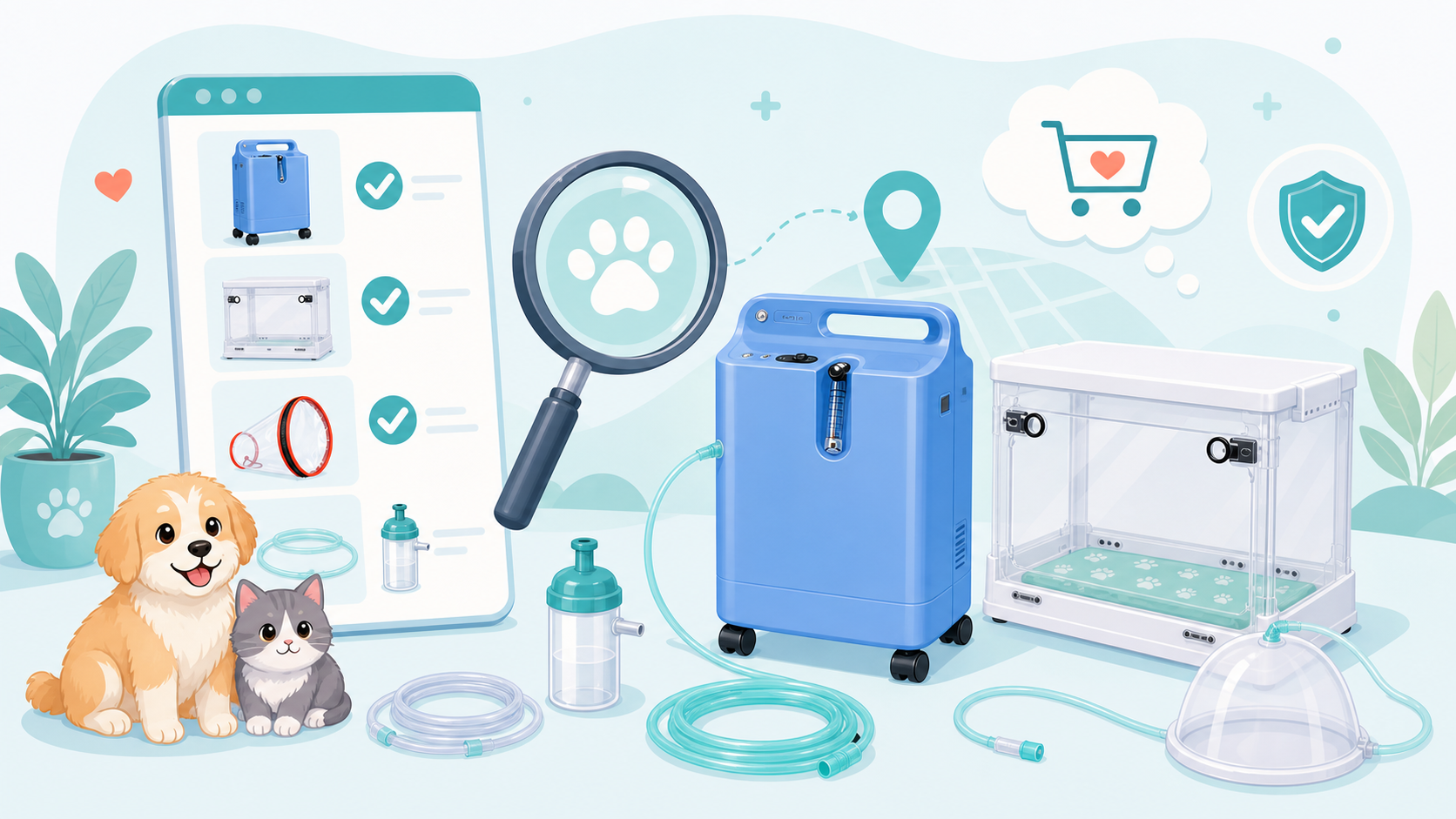
- Chamber or mask: choose based on pet condition
Transfer-day checklist
Keep the route, travel time, receiving address, contact person and vet documents together. Once home, settle your pet first before organising everything else.
- Prepare a socket and ventilated area
- Do not place the machine against a wall or inside a closed cabinet
- Watch breathing rate and alertness during first use
This guide is for owner education on home pet oxygen care. If your pet has breathing distress, gum colour changes, weakness or sudden worsening, contact a vet or emergency clinic first.
Need help choosing for your pet?
Send us your pet weight, photo, vet advice and required date. We can help pair EverFlo Q, Respicare or accessories.