What do you need?
Choose a few things. We’ll show helpful tips as you go.
Choose an option to see a few tips.
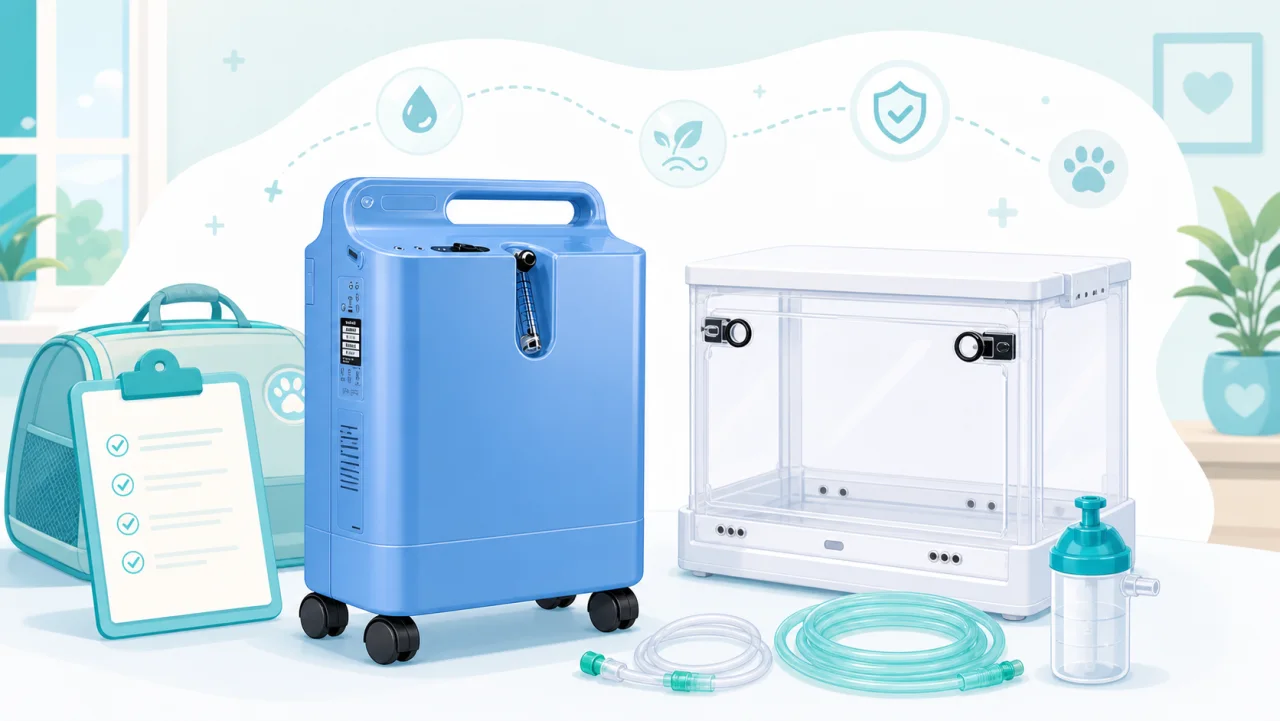
What do the machine, box and cylinder do?
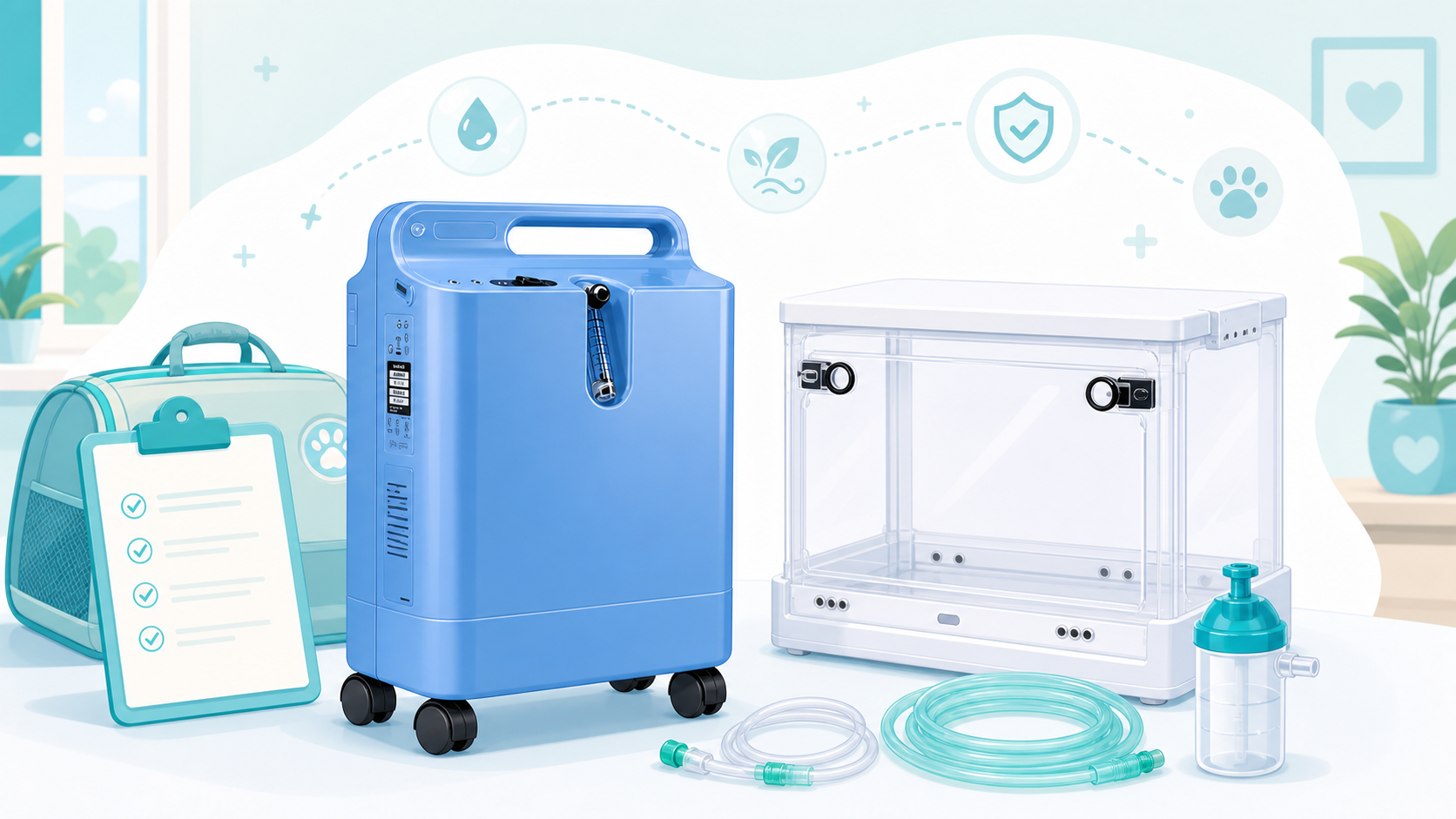
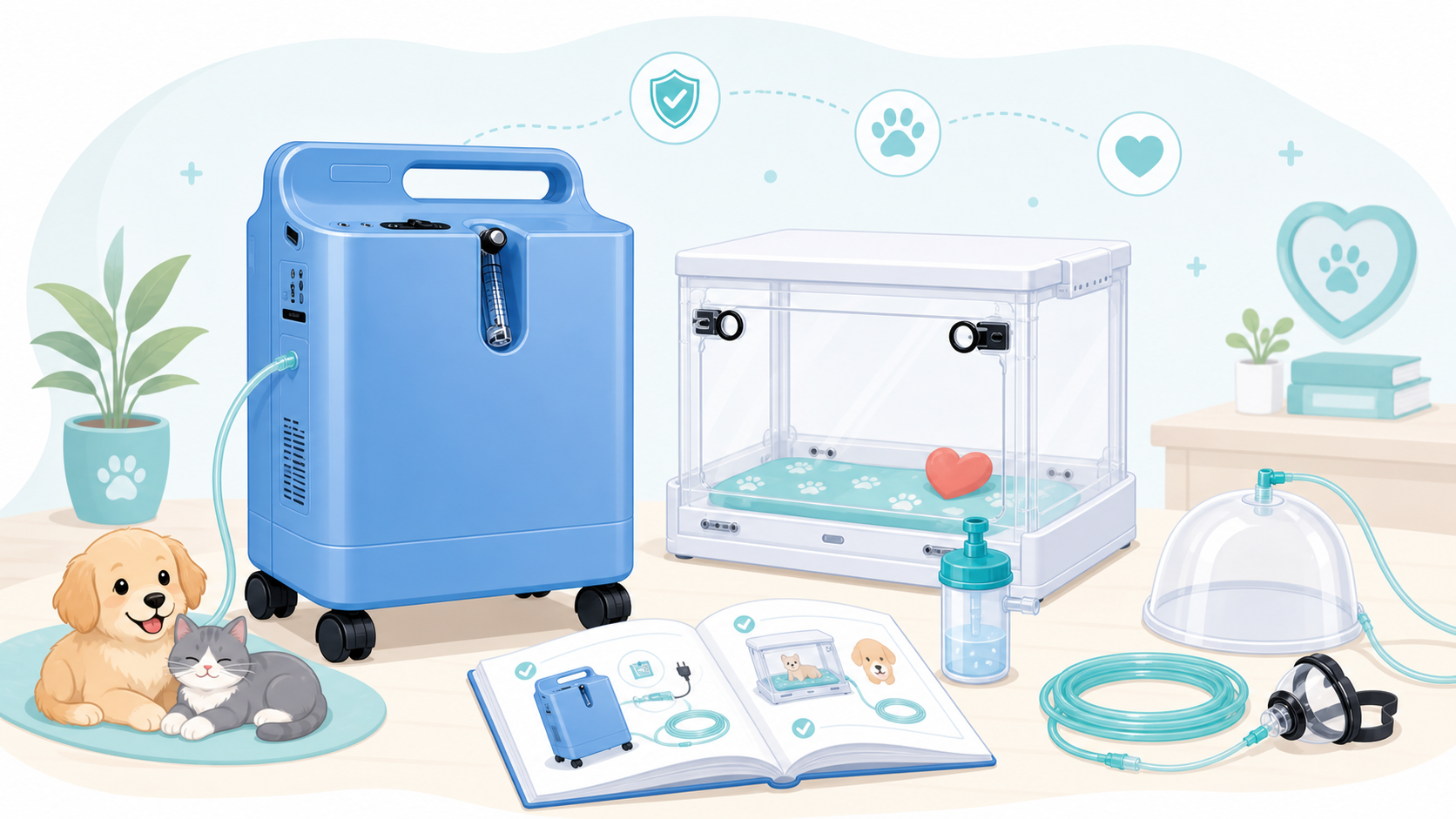
An oxygen machine provides oxygen. An oxygen box gives your pet a place to rest. The box does not make oxygen. A cylinder stores oxygen and has a limited supply.
| Item | What it does | Example |
|---|---|---|
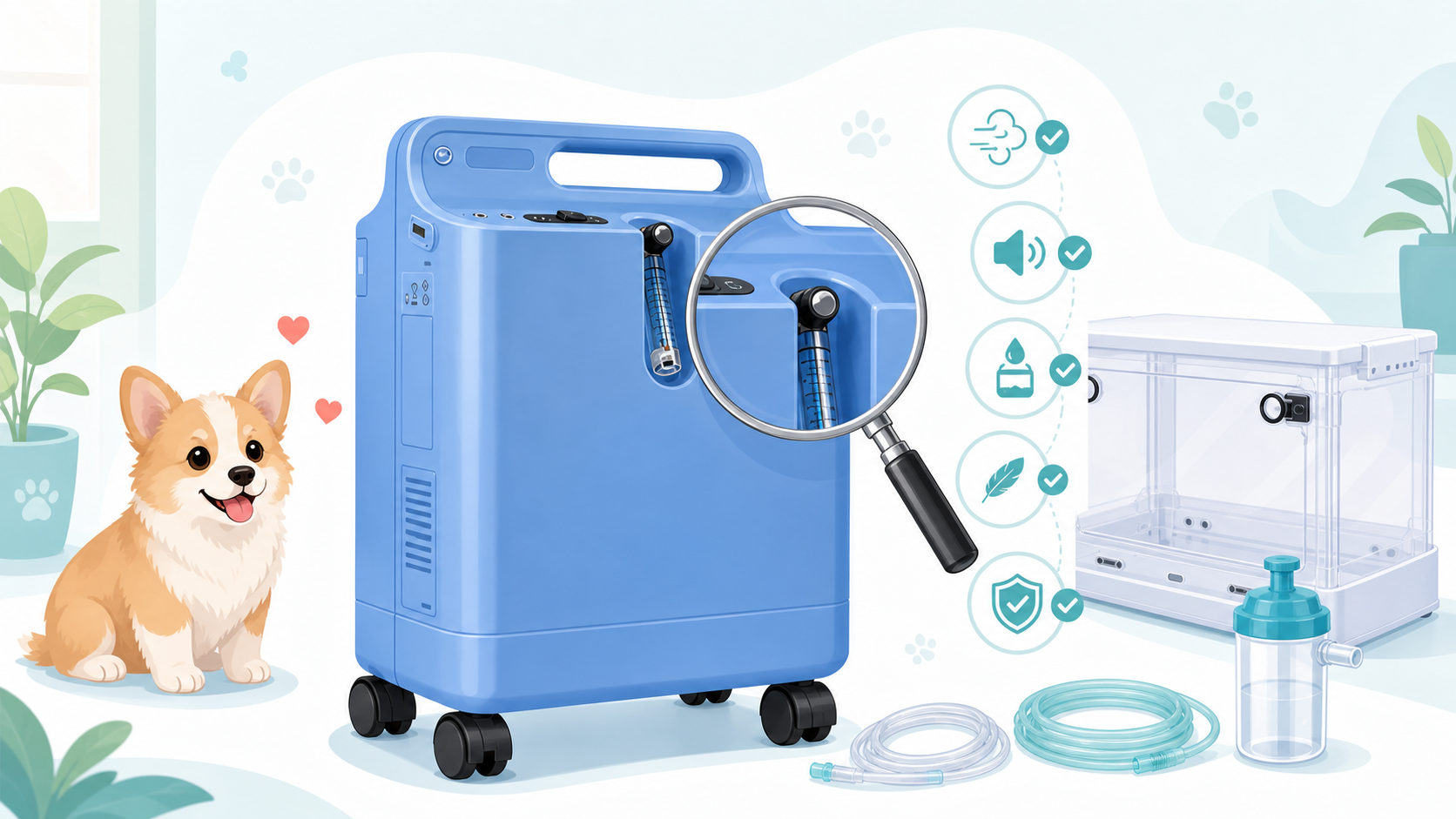
 Home oxygen machine Home oxygen machine
| Plugs in and takes oxygen from room air. | Philips EverFlo Q; stays in a home setup. |
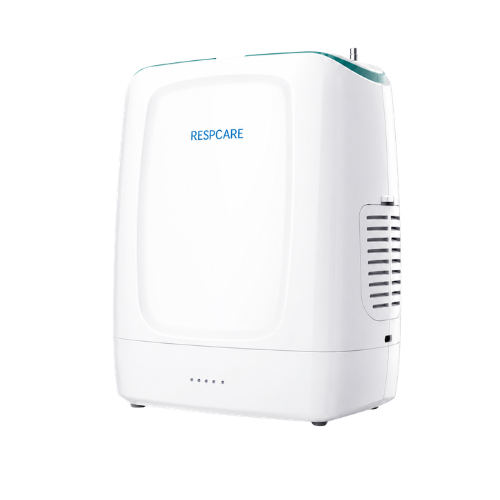 Portable oxygen machine Portable oxygen machine
| Runs on a battery and is easier to carry. | Respircare PO5. |
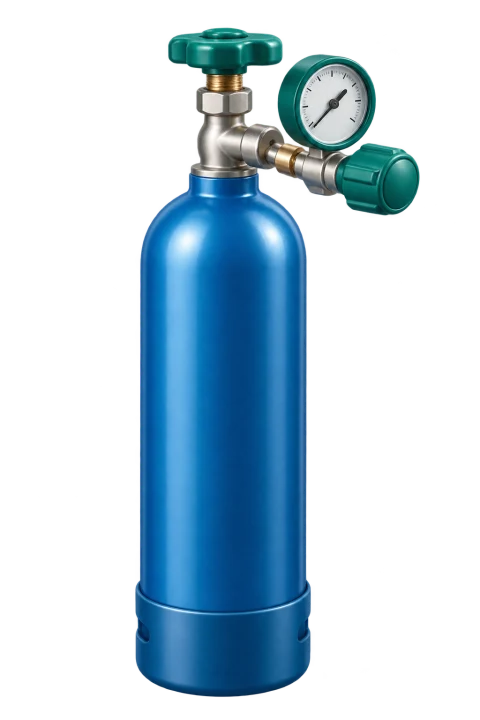 Oxygen cylinder Oxygen cylinder
| Stores oxygen in advance. | Check how long the oxygen will last. |
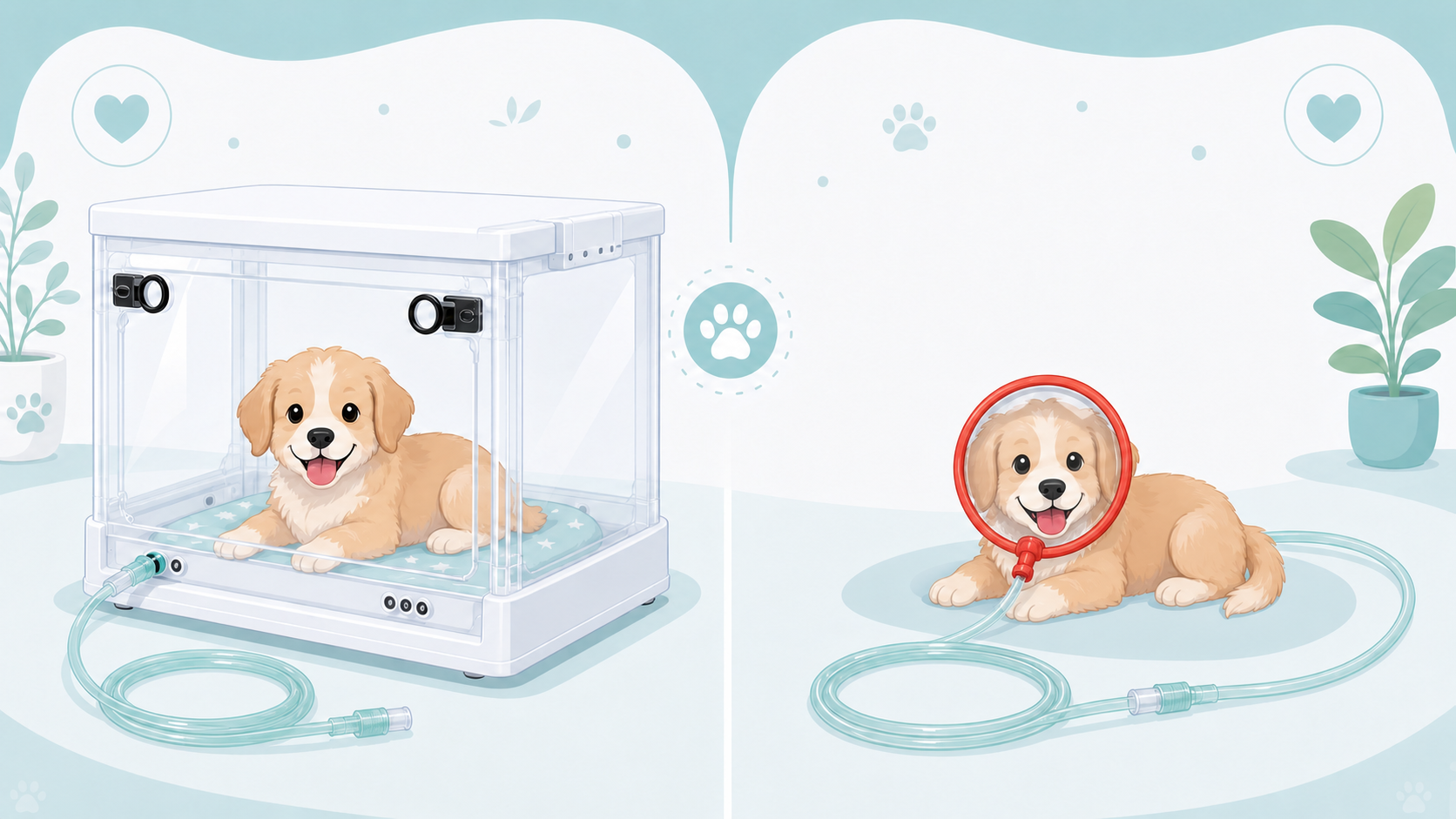
Oxygen box, hood or mask
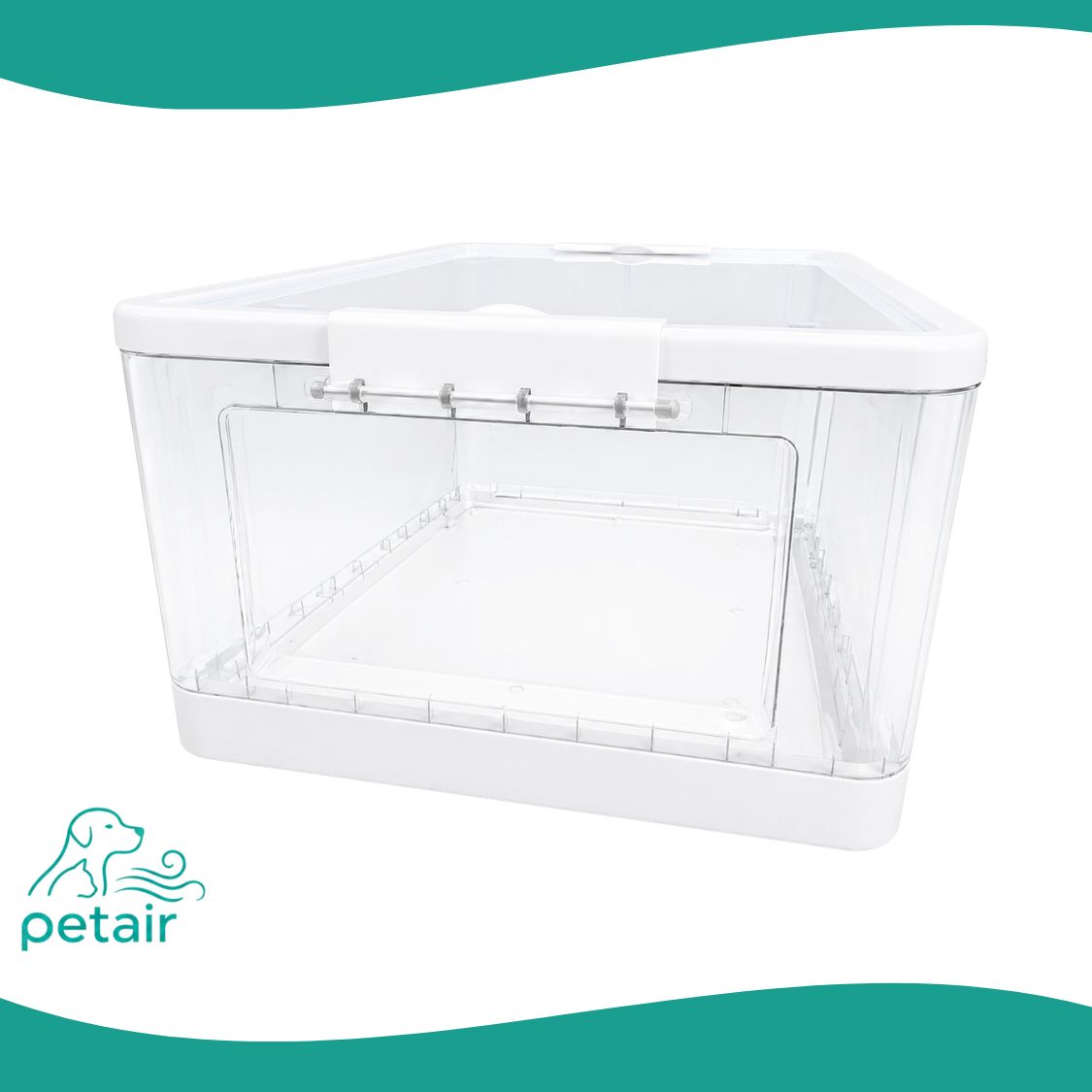 Chamber Chamber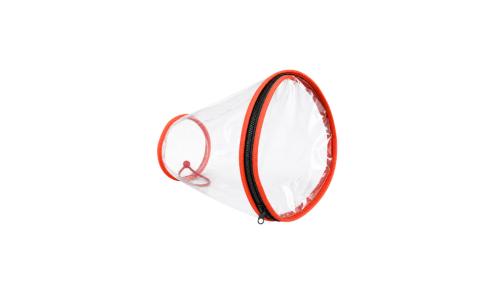 Hood Hood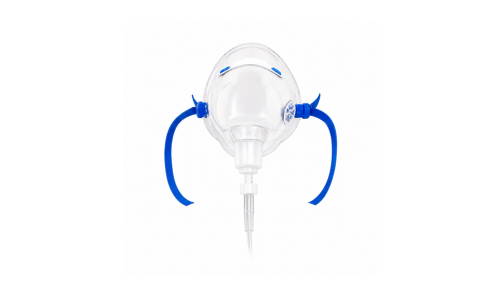 Mask Mask
| Brings oxygen near your pet. | The box has air holes. It is not airtight. |
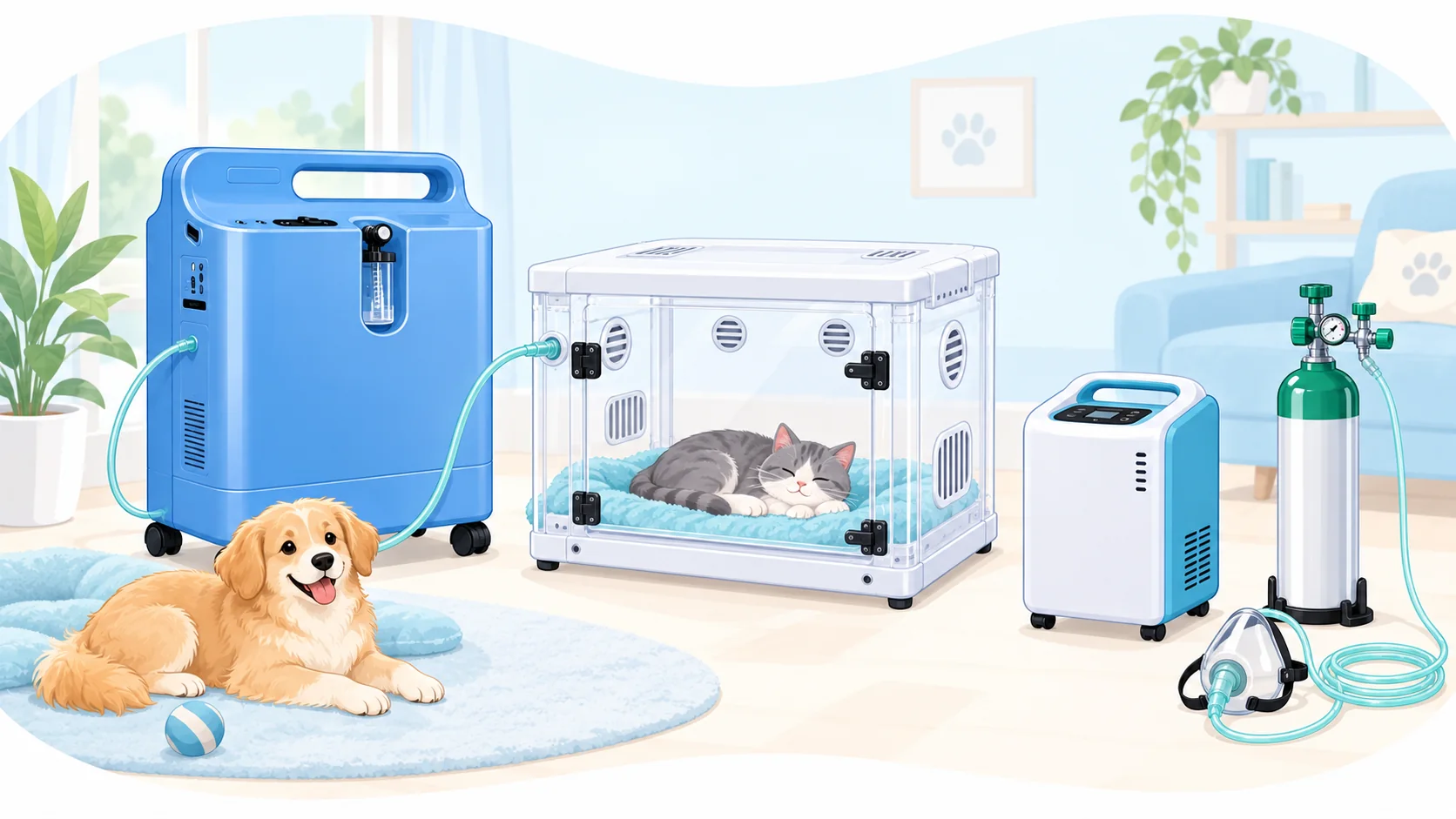
Home or portable oxygen machine?
A home machine stays in one place and plugs into a socket. A portable machine is easier to take out and can run on a battery.
- At home: look at a home oxygen machine.
- Going out: look at a portable machine and check the battery time.
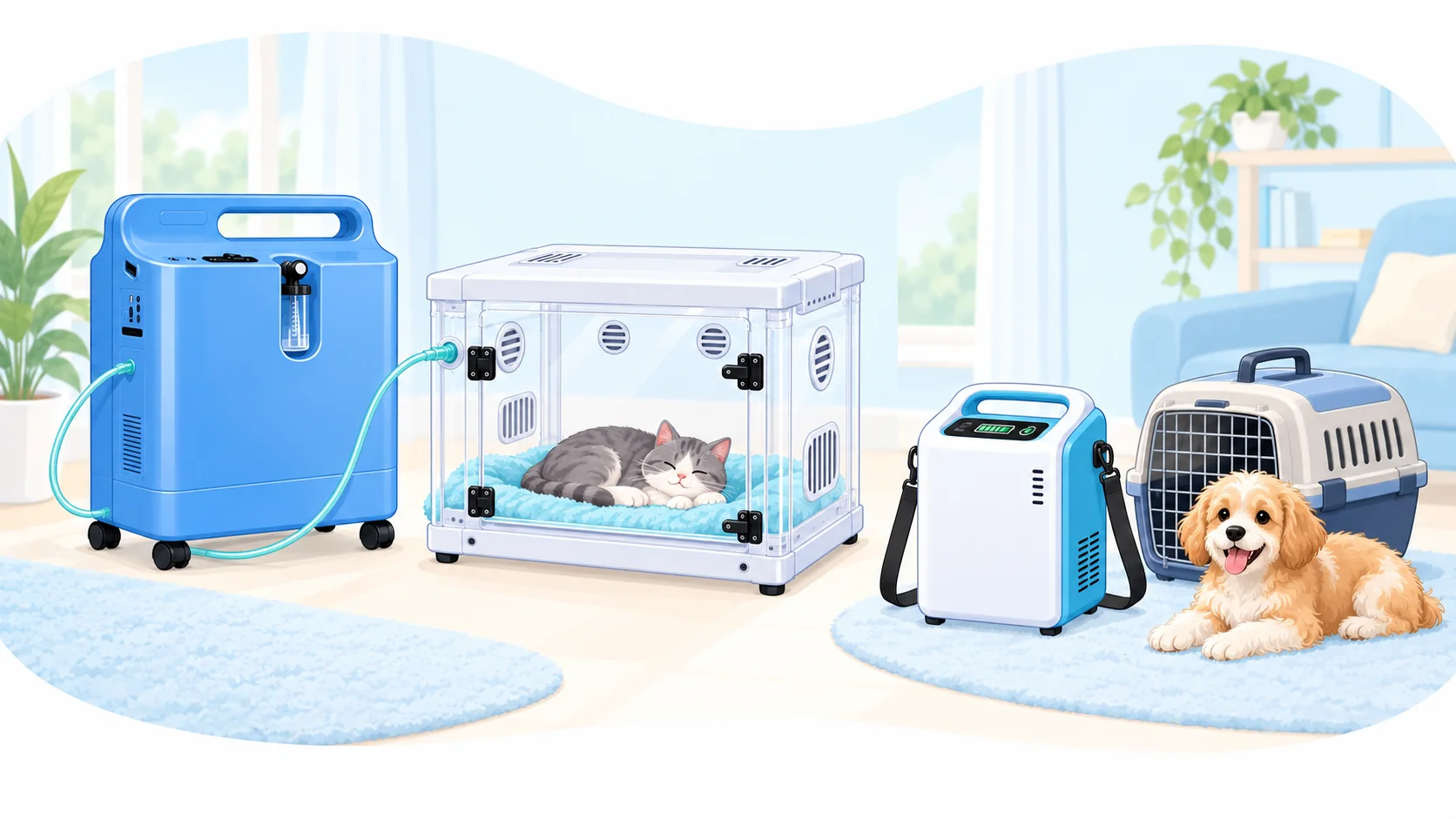
Oxygen box, hood or mask: what are they for?
A box gives your pet room to lie down. A hood or mask sits near the head.
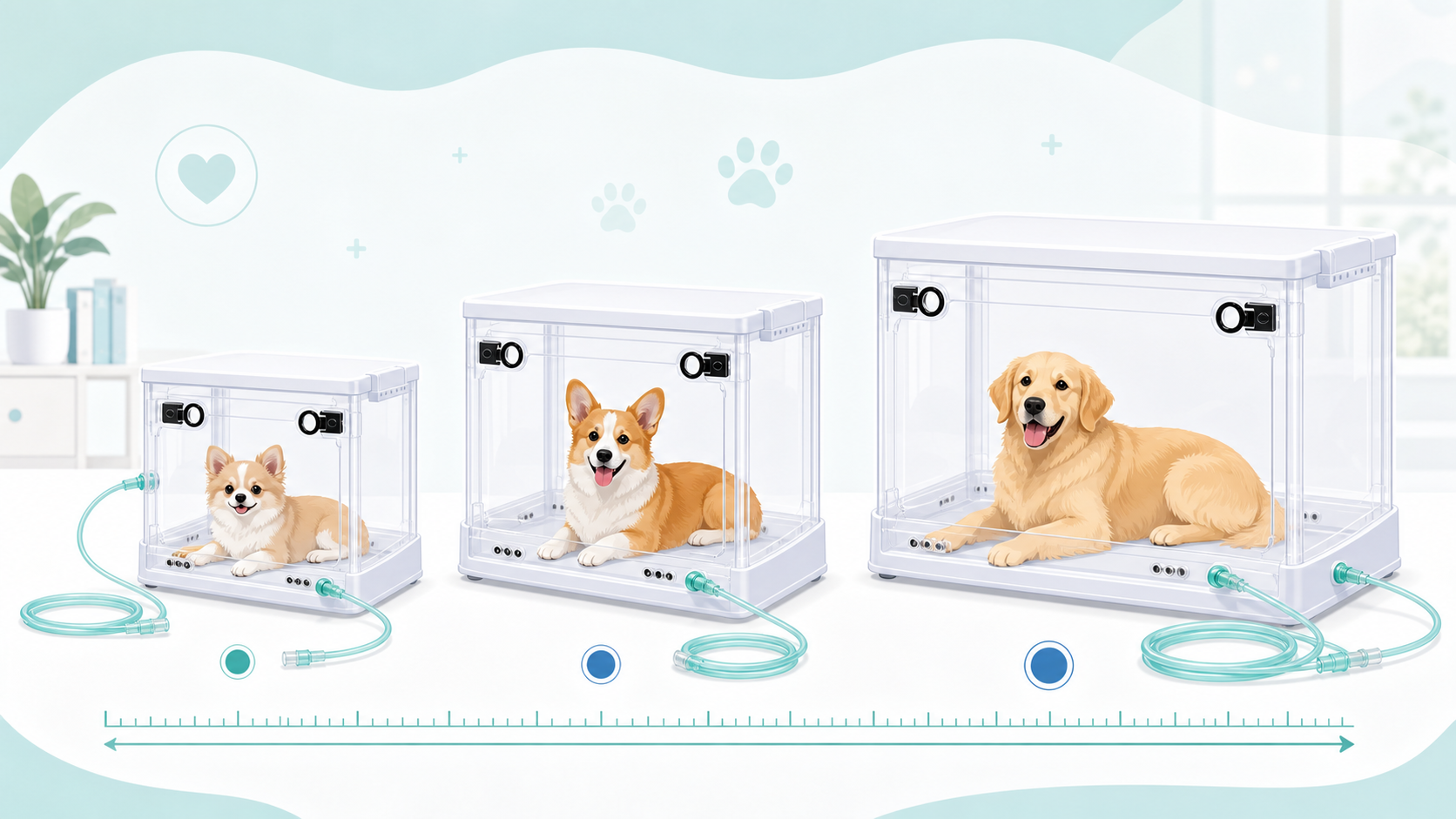
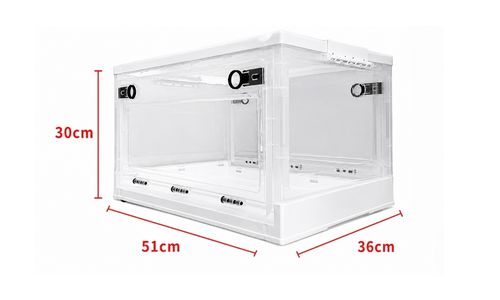
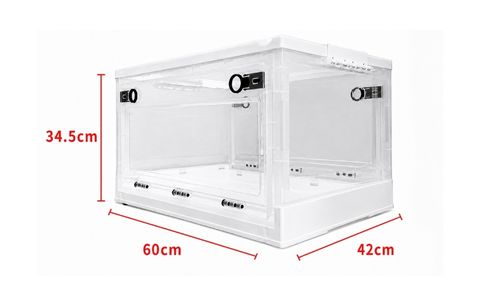
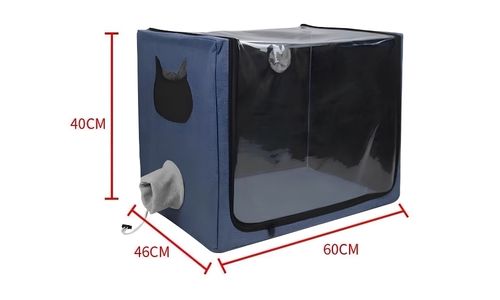
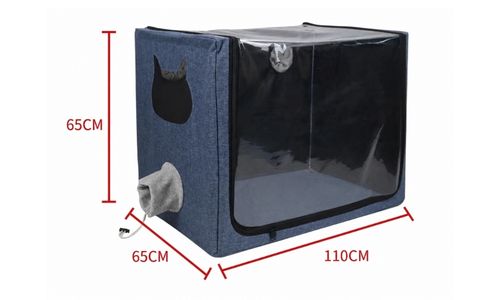
Sizes are length × width × height. Check the room inside the box before choosing.
- Choose a box where your pet can rest comfortably.
- The box has air holes and is not airtight. Keep the holes open.
- PetAir has the four sizes below. Hard L and soft L are different sizes.
Getting your home ready
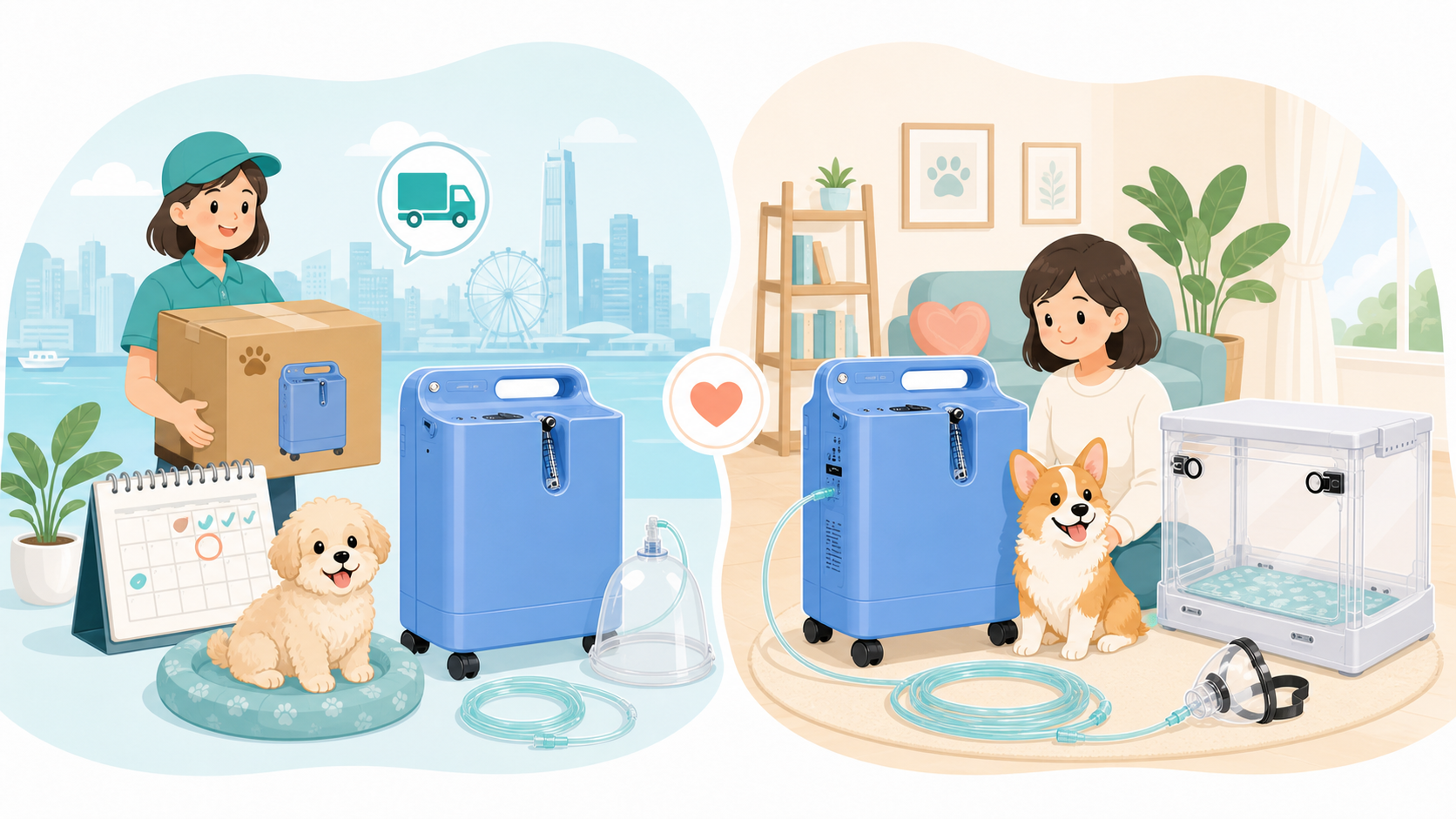
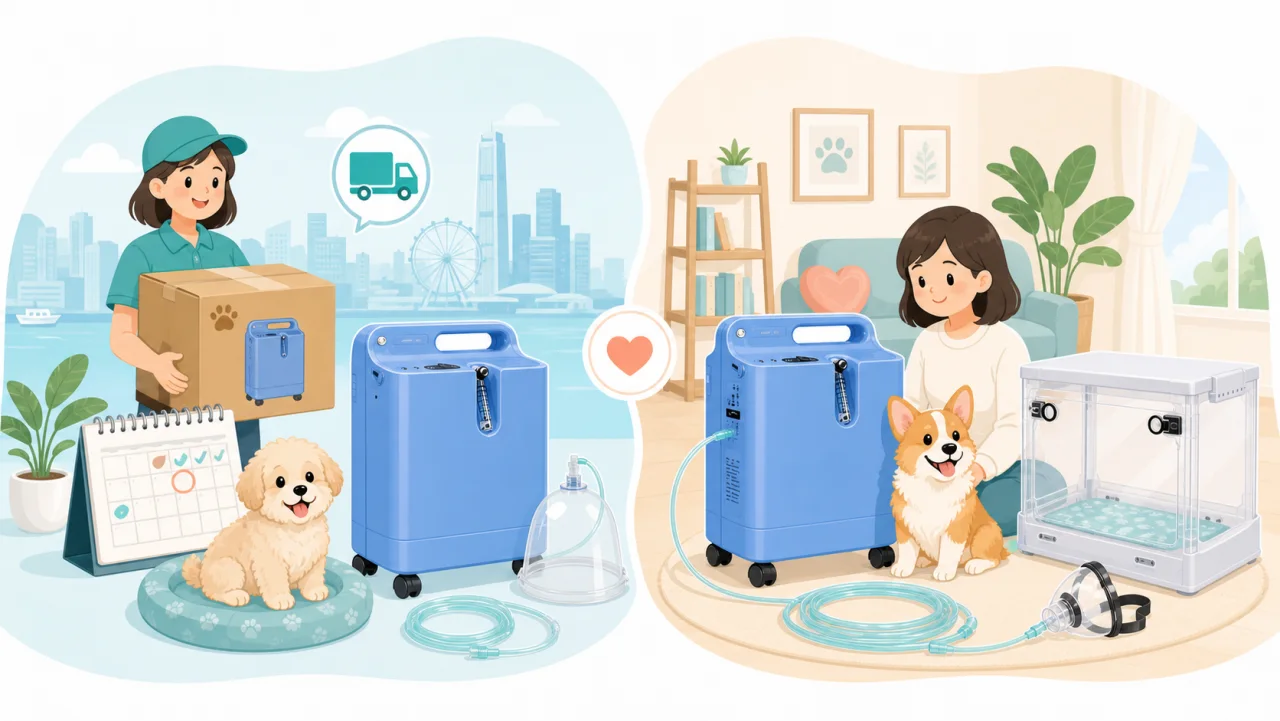
PetAir’s delivery team sets up the machine and box, and shows you the controls. You do not need to connect the tubes yourself.
- Have space for the machine and box near a socket.
- Leave room around the machine. Do not push it against a wall.
- Keep the room cool and airy. The box can get a little warmer than the room.
- Avoid very humid or damp spots.
Need oxygen when travelling?
If your pet needs oxygen on a journey, consider a portable oxygen machine or an oxygen cylinder.
- Portable machine: check that the battery will last for the journey.
- Cylinder: check how long the oxygen will last.
Should I rent or buy?
Start with how long you expect to use the machine.
- Two weeks, a month or unsure how long: rental is flexible.
- Around 10–12 months or longer: consider buying if you want to own the machine.
- Before buying, compare the price, total rent and warranty.
Contact your vet if…
Get help now if your pet has any of these signs. Do not wait for equipment delivery.
- Trouble breathing.
- A cat breathing with its mouth open.
- Pale or blue gums or a pale or blue tongue.
- Fainting or suddenly getting worse.
Frequently asked questions
Are the machine and box the same thing?
No. The machine provides oxygen. The box is where your pet rests.
Should I seal the oxygen box?
No. Keep its air holes open and use it as shown.
Do I need to install it myself?
No. PetAir’s delivery team sets up the equipment and shows you how to use it.
Can I change the settings myself?
Keep the settings given for your pet. Follow your vet’s instructions for any change.
What else do I need with a cylinder?
Ask its supplier about the bottle, control valve, tube and mask. Have them show you how to use the set.
How long will a cylinder last?
It depends on the bottle and settings. Ask the supplier about the time at your pet’s given setting. Cylinders run out; consider a home machine for regular home use.
How should I store a cylinder?
Follow its label. Keep it secure in a cool, dry place, away from heat and flames. Check any date marked on the label.
How do I know oxygen is coming out?
Ask the supplier to show you the gauge or flow indicator. Do not rely on sound alone.
Should I press a mask tightly against my pet’s face?
Do not force it on. Use the position shown for that mask and keep your pet comfortable.
Can I take oxygen equipment on a plane?
Ask the airline about both your pet and the oxygen equipment before booking. Flying has different rules from a car journey.
Sources
- Philips: EverFlo Q product specificationsManufacturer product page; sound, flow and concentration figures are device specifications.
- Philips Respironics: EverFlo / EverFlo Q user manualFollow the manual for the regional version of the device in use.
- Respircare Medical: official PO3 / PO5 product informationManufacturer details for pulse settings, backup mode and weight.
- Pawprint Oxygen: concentrators, chambers and oxygen cylinder FAQSupplier example describing the different roles of cylinders and continuous-flow concentrators.
- PetMD: oxygen therapy for petsVeterinarian-written overview of oxygen therapy and veterinary supervision.
- Cornell University College of Veterinary Medicine: breathing difficultySigns of breathing difficulty and the need for prompt care.
- Cathay Pacific: travelling with oxygen equipmentConfirm pet and equipment arrangements directly with the airline.
Use the settings given for your pet and the instructions for your machine. If breathing suddenly gets worse, contact your vet or an emergency clinic now.
The key points to remember
- Home machines plug in; portable machines are easier to take out.
- Choose a box where your pet can rest, and keep its air holes open.
- Prepare a cool spot with enough space. PetAir installs the equipment and shows you how to use it.
- Rent for short use. Consider buying for longer use if you want to own the machine.
Need help understanding the equipment options?
Tell PetAir your pet’s size and the space at home. We can explain the equipment options and arrange delivery and setup.